Comparing Room Layouts for Different Bed Arrangements
Imagine you're arranging accommodations for adult relatives with varying bed preferences at the R Nite Star Hotel & Lounge in Arlington.

This article is sponsored by R Nite Star Hotel & Lounge. Partner content policy
In this article
One adult in a Las Colinas family wants a king bed. Another prefers a separate bed, and a third will arrive long after the rest of the party. Room capacity alone doesn't answer whether the arrangement will work. Before booking in Arlington, ask each person what they consider necessary and compare the actual layouts with the plans for sleeping, luggage and arrival. A well-chosen reservation can give people enough privacy to enjoy the rest of the trip.
Put the travel dates, proposed guests and requirements in one place. Compare arrangements with actual options, including more than one room if that is a possibility. Send each person their relevant details and ask the hotel to verify what depends on the precise category. Don't assume everybody read the room description or interprets sharing the same way.
Ask about sleeping needs without making assumptions
Confirm how many separate beds the party needs. Some adult relatives will share a bed, while others expect their own even if they agree to share a room. A person who arrives late may decide to stay somewhere they won't disrupt the group. Ask each traveler which arrangement works for them. Agree who should check the details with the property and who will reserve or pay.
Record whether sleeping times differ. Someone may wake very early, need to take a call or want a quiet period in the evening. Ask what they actually need from the layout. A room with more than one bed might still leave every person close to the same bathroom or entry. Two rooms can simplify the schedule when independence matters more than keeping everyone in one space.
Give everybody the choice to confirm their arrangement before paying. A vague assurance that the room sleeps four may hide the fact that two people share one bed. If a traveler needs a particular bed location or an approved arrangement for a device, discuss it directly with the property. Keep personal details with the person affected rather than circulating them through the whole group.
Review actual room options in Arlington
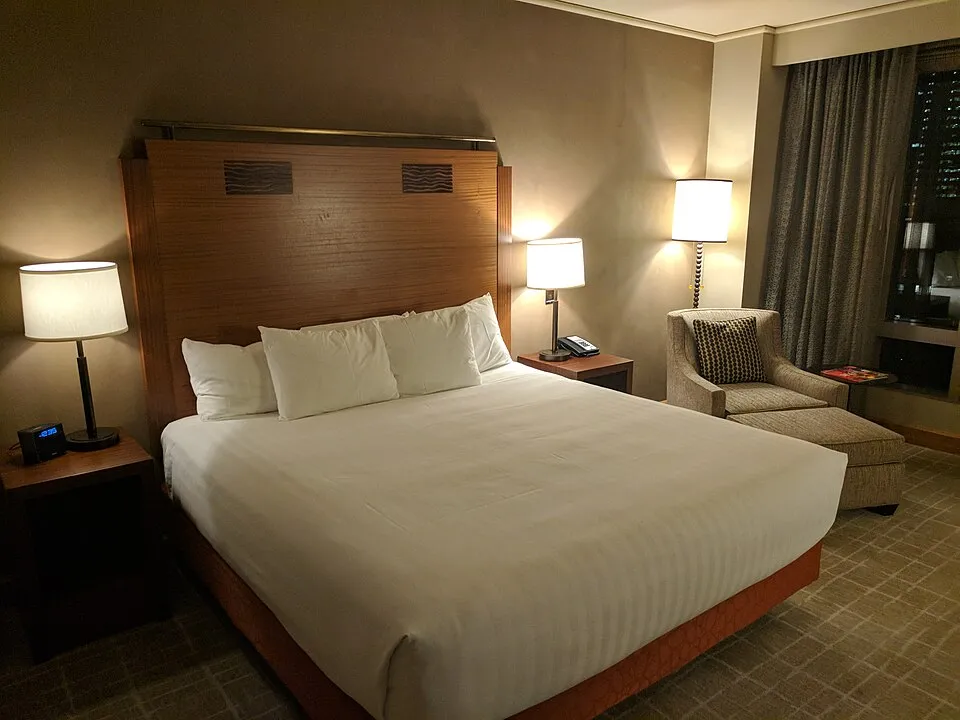
Check the R Nite Star Hotel & Lounge room descriptions for its Arlington layouts. The property lists categories with a king bed or two queen beds. Verify what applies to the date, configuration and number of guests in your reservation. Ask which advertised features appear in the category you are considering. If the hotel is confirming an exact arrangement, keep the answer with the written booking information.
Compare bed count, occupancy and the room's usable space as separate facts. A property describes occupancy under its own arrangements and constraints. A larger listed capacity won't provide a third separate sleeping surface unless the property confirms the relevant setup. Find out how much space there is for carrying luggage around furniture and whether the people sharing it can use it without repeatedly moving bags.
Check one room against two using the actual total, dates and terms. The FTC's consumer information about short-term lodging fee disclosures explains upfront price requirements. Confirm the comparable prices the hotel offers and any terms for changes. A room that looks inexpensive in isolation may cost more when it requires an extra booking on another night.
Check individual features in the actual layout
Ask why a feature matters to the person using it if they're comfortable sharing that information. You may only need to know which side of a bed must be reachable or what route they expect to use. The Department of Justice's Title III regulations address hotel reservations involving accessible rooms and features. Use the proper process to ask for the relevant details and make sure the affected guest gets the actual response.
Consider the space around beds and in front of the bathroom. A room may have a place for a bag at arrival but little room to open several bags at once. Ask whether the category includes the seating, storage or other specific items your party expects. If a detail can't be confirmed, decide whether it affects the reservation or is a preference the travelers can handle another way.
Check the route between neighboring rooms if the party could stay separately. Rooms side by side and rooms joined by a door describe different arrangements. Ask what the property can actually verify and when. If the group only needs an easy place to meet, it may be able to use an agreed point without requesting any specific relationship between rooms.
Plan around early and late arrivals
Verify who will handle the booking if people arrive separately. The hotel may need the person named on the reservation or an authorized guest. Ask how to arrange that advance. Someone whose name is on a group plan does not necessarily have the lodging permissions needed to check in. Save the official instructions for each person arriving independently.
Consider whether guests share transportation or can reach the site separately. Give them the actual address and official contact information. Ask the person arranging a pickup who will respond if it overlaps another guest's check-in. Travelers using DFW can consult the airport's ground transportation information before finalizing their ride. Most groups only need to agree on one place to regroup.
If late arrival may interrupt another person's sleep, decide what can be prepared earlier and what the later person needs from the property. Confirm which booking arrangement and room access actually applies. A separate room can help when guests travel independently. A person checking in late needs precise directions regardless of which option the group chooses.
Work through a group with three different plans
Imagine two adult siblings and a cousin will attend a Saturday gathering. The siblings want separate beds and plan to reach Arlington early. The cousin expects to arrive after dinner and leave very early the next day. The group asks about two queen beds for the siblings and what options the cousin has if staying independently. The cousin receives the check-in and early departure details that apply to them.
In a second scenario, the cousin decides to arrive and leave with the other adults. Check whether sharing would work for everyone, whether the available room fits the agreed bed arrangement and what the price and terms look like. A room assignment that was best for three independent schedules may change when travel plans agree. Verify the actual room details before changing the reservation.
Decide how each person will use the space between activities
Ask who needs to be able to read, work or get ready while others are resting. A chair and bedside lamp may be adequate for one person, and another may need enough room to open bags before an early departure. Discuss where those activities could happen and what time constraints apply. The layout should serve the plans people actually have, especially when several adults spend more than one night together.
The people sharing the room can decide what should remain out after the first night. Someone with a small bag may use an available shelf while a traveler with several items needs another arrangement. Check which furniture and storage are confirmed in the category. A second room can reduce ordinary interruptions, but it may separate people who intended to spend time together. Compare that tradeoff with what the group values.
If some guests need to rest before an event, consider whose arrivals will affect them. A relative may unpack late, or the person holding the reservation may get reminders that require calling the hotel. Keep each check-in as independent as the property allows. An organizer can give the early group their expected timing without claiming they can access a room before the lodging confirms it.
Preserve the arrangement if the group changes again
Check any dates by night. A couple could want separate rooms on the first night and share after another guest leaves. That may require a new booking or a move. Confirm availability, terms and the plan for belongings. Give each person the realistic options rather than assuming a room can be changed without affecting other aspects of the reservation.
Ask whether a change affects a previously confirmed need. One booked room might have the expected bed placement while a similar category does not. If the property proposes another room, confirm all requirements that mattered to the affected traveler before accepting it. Keep the contact and booking information available to them rather than asking several relatives to relay what was said.
Record which person can approve charges or supply updated information when people arrive. If two reservations remain separate, give each responsible person the actual dates and applicable terms. A common group schedule can identify the next activity without mixing up who is checking out.
Ask the hotel about any actual room relocation before the party commits to a schedule that requires it. The organizer can then plan where people and bags will be when the move occurs.
Give each guest the opportunity to revise their own arrangement if travel changes materially. A room that was convenient for the original party may need to be checked again against new plans and dates.
Confirm what each guest should expect
Send a short booking update with names, room categories, dates and the agreed arrangements. Give the people using a particular feature their current information. Let the travelers know who has the official booking confirmation and what to do if a plan changes. Find more local travel articles in the Las Colinas News partner guides.
Visit R Nite Star Hotel & Lounge.
Sources
- R Nite Star Hotel & Lounge room descriptionsrnitestar.com
- FTC's consumer information about short-term lodging fee disclosuresconsumer.ftc.gov
- Department of Justice's Title III regulationsada.gov
- airport's ground transportation informationdfwairport.com