Determining When to Contact Insurer vs. Hail Repair Shop
Imagine you have two records, both referencing your recently hauled vehicle, yet detailing different issues.

This article is sponsored by DentPicks. Partner content policy
In this article
After a hailstorm, two conversations can start from the same photo of a car hood. The insurer wants to understand the reported loss and what the policy says. A repair shop wants to see how much of the car is affected, what can be repaired and how long it will take. A driver may need an answer from both, but the questions should reach the people who can answer them. In Las Colinas, where a car might sit at an office or apartment while a storm passes through, write down what was observed before the conversations branch off.
Use one record for what happened and keep separate notes on the claim and the repair. Start with time, location, condition and photos once it is safe to take them. Give the insurer policy and claim questions through its confirmed channel. Bring the shop the details a technician needs to inspect the vehicle. Then check which information each one needs from the other before either the repair or payment moves ahead.
Ask the insurer how to report the loss and what to send
Locate your policy and use an established carrier phone number, portal or mobile app. Ask how to report the hail loss, which records are expected and when the carrier needs them. Confirm who will handle the claim and how to reach that person. If you found the damage after you drove somewhere else, give the suspected storm location and the place where you first observed it as separate details. State an approximate time period if you have no direct observation of the hail hitting the car. The person documenting the claim can tell you what else is useful.
The Texas Department of Insurance’s guidance after hail or windstorms directs people whose cars have been damaged to report claims promptly and explains that comprehensive coverage can cover hail losses. Ask your insurer how the actual policy applies, what deductible or limits are relevant and whether it needs to inspect the car before repairs. If your vehicle is financed or leased, ask the relevant parties how they handle documentation and payment. Details about your policy and the claim determination should come from the company responsible for them.
The Texas Office of Public Insurance Counsel’s first-party auto claim guidance discusses what to keep in your records and explains that you can select your repair shop. Ask the insurer whether it offers a direct inspection, a photo submission or another process, and what it needs if you choose a particular shop. Record the answer before scheduling drop-off. A choice of provider and a carrier’s instructions for documenting a loss are separate parts of one decision.
Ask the repair shop what it can see and what it still needs to inspect
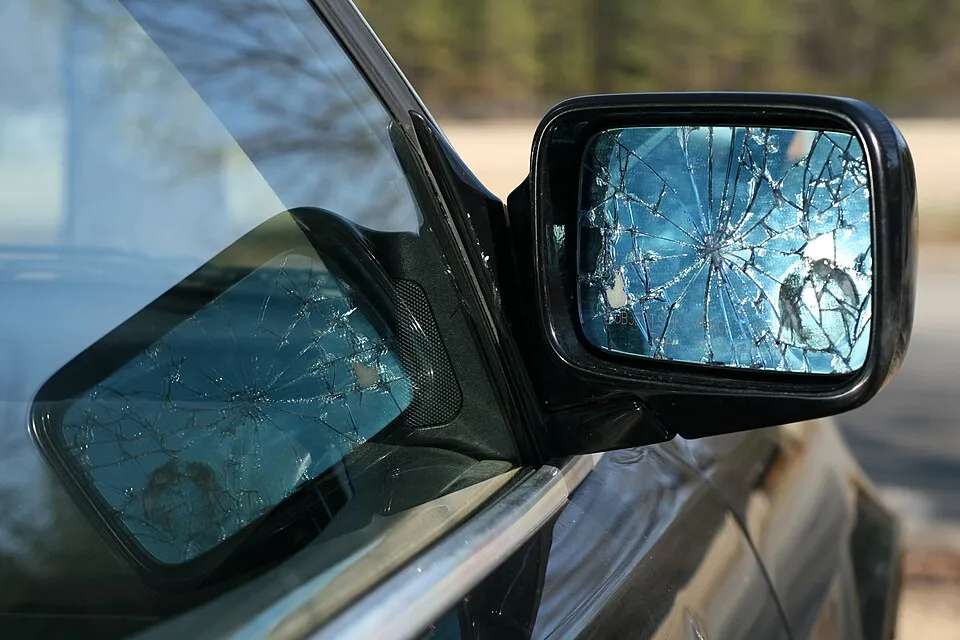
Tell the shop the make, model, year and where you see damage. Explain if a light, a mirror or glass is affected and whether the car has a prior repair in the area. Give the technician usable photos, a panel description and the claim estimate if there is already one. Ask what the shop can review from the pictures and whether a proper estimate requires an in-person inspection. If glass or another condition may affect whether you can safely drive, discuss the appropriate next step with qualified service personnel and the insurer before arranging transport.
DentPicks’ guide to the steps in vehicle hail repair discusses inspection, the repair plan and what can happen if more damage becomes visible during the shop’s review. Use it to prepare questions about how the shop records each panel and communicates additional findings. A photo of a hood may help identify which part you are describing. A professional assessment can provide a fuller scope and determine whether paintless dent repair is appropriate for particular areas. Ask who prepares that report, when it is available and whether you receive a copy.
Ask the shop how it handles the parts of an estimate that are separate from dents. A chipped light, broken glass or a damaged trim piece may call for a different service or further inspection. A shop that proposes work on several panels should be able to identify which items are already quoted and which are subject to further evaluation. If a related task will happen at another provider, ask who coordinates it and how its schedule affects the car’s return.
Compare the documents by panel and purpose
A carrier estimate usually reflects what the reviewer could document at the time. A shop estimate may use a different inspection or scope. Put both dated documents side by side. Look for each panel label, glass or trim line and whether the item is assessed, proposed, approved or pending. Ask the provider who issued the document to explain any ambiguous term. A line named roof may refer to a different set of conditions in each record. If one estimate marks glass separately, carry that line forward into your questions.
For example, an SUV parked near the Las Colinas Urban Center turns up with visible spots on the hood and roof. The insurer reviews the initial submission and lists exterior work. Later the shop reports damage on a trim piece and asks to revise its scope. Ask the shop for the written difference and any additional evidence. Ask the insurer which person receives the request, how it communicates its determination, and whether the owner or shop is expected to send it. This gives each party a concrete question and allows the driver to track which item is holding up a decision.
The Texas Department of Insurance’s claim guide explains that an adjuster may inspect damage in person or look at images as part of an estimate. The agency’s auto insurance guide also discusses talking with the adjuster when damage turns out to be more extensive than the initial estimate. Ask the shop how it packages extra findings and who keeps you updated. A completed shop report and a reviewed insurance supplement can arrive on different days. Give each event its own status so a confirmed work date does not get mistaken for a payment decision.
Get practical answers about repair timing and transportation
Ask the shop to explain when the car needs to be present, how it will handle availability and what could move the timetable. A damage inspection may take place before the car is retained for repairs. A later start may depend on written authorization, part availability, an insurer response or other arrangements. Give the team any limits you need it to work around, such as a trip, a shared car schedule or an appointment when you need your vehicle. Write down an expected next update with the thing likely to trigger it.
For transport or replacement transportation, ask the carrier which benefits it confirms under your policy. Ask the shop separately what is included in its written terms, any restrictions and who coordinates pickup and return if offered. If the shop and carrier give different answers, record the date and the exact arrangement each described. Work out who supplies the vehicle and who deals with an extra day if the repair finish moves. A quote for the work and a transportation commitment can each have their own approvals and conditions.
Ask how the final invoice and any outstanding approval will reach you. Keep a record of what you have agreed to and copies of the repair scope, updated claim estimate and receipts. If a requested item remains open, ask the assigned contact where the decision stands before assuming that the work can be performed under the claim. The cost of an extra visit can depend on who requested it and what was authorized, so leave that conversation on the record.
Keep one next step after every call
For a leased or employer-provided car, identify the person authorized to approve repairs before setting a drop-off date. The driver may be the best person to describe the weather and the damage. Someone managing the lease or fleet may have to provide documents, speak to the insurer or sign the repair order. Give each recipient the name of the contact it can use and tell the owner what you have already supplied. If the shop needs a decision while you are at work, make sure it knows the authorized person’s time zone and callback window. Keep the keys and vehicle handoff arrangements linked to the same named contact.
End a call by restating the next action and who owns it. For the insurer it might be, “Please confirm whether you need a new estimate before work on the trim.” For the shop it might be, “Please tell me when the revised estimate and photos are ready and who will send them.” Save each response with the current document. If several staff handle the same case, use the claim or work order reference in the agreed channel so the next person can find the prior conversation.
When you pick up the car, match the final invoice to the latest scope and ask about any change you cannot identify. Know whom to reach about a question concerning the repair and whom to reach about a claim or payment decision. If you have to follow up later, bring the case history with the dates of the photos, inspections and written decisions. Las Colinas News partner guides collect other practical questions for local drivers and property owners.
Visit DentPicks.
Sources
- Texas Department of Insurance’s guidance after hail or windstormstdi.texas.gov
- Texas Office of Public Insurance Counsel’s first-party auto claim guidanceopic.texas.gov
- DentPicks’ guide to the steps in vehicle hail repairdent-picks.com
- Texas Department of Insurance’s claim guidetdi.texas.gov
- auto insurance guidetdi.texas.gov