Specifying Seat Adjustments for Leather Repair
When you contact a leather repair service like Leather Repair Dallas, it's essential to provide clear instructions regarding the seat adjustments they need to inspect and repair.
This article is sponsored by Leather Repair Dallas. Partner content policy
In this article
When a technician is preparing to assess a leather car seat, an owner may need to explain which adjustments matter. The leather can look different when the seatback is in another position, or a mark may catch the eye only at the side of the cushion. The technician may also need to know whether a control or movement has an apparent problem. This sponsored guide accompanies Leather Repair Dallas’s car seat repair service and helps vehicle owners report the seating position and visible wear without attempting a mechanical repair.
Identify the seat before describing the movement
Give the technician the make, model, year and seat location. The information can distinguish the driver seat from a front passenger or rear seat with a different design. If you know the trim, material or type of adjustment, give the source of that information. A manual control and a powered control may sit in a similar position, while the seat moves in different ways. The technician can confirm which configuration and service guidance apply to the actual vehicle.
Describe the affected feature in terms of the seat’s normal use. A front seatback may change angle, a cushion may have adjustable height or the rear seat might fold according to the model. Tell the provider which movement you mean and where the mark appears. A phrase such as side adjustment leaves several possibilities open. A note that identifies the driver’s side outer cushion edge near the control can help the technician locate the actual panel you want assessed.
Use the applicable manufacturer directions
Consult the manufacturer’s owner information for the adjustment and seating position that concern you. Tesla’s Model 3 manual is one example of directions that distinguish front seat controls and rear seating features. Check the guidance that applies to your own vehicle and ask the appropriate professional if the control behaves in a way the instructions do not explain. Use it only as the manufacturer directs and in appropriate conditions. An upholstery question should never require improvised operation or force on a stuck part. Tesla Model 3 owner’s manual on front and rear seats
If you saw a warning, unexpected movement or a change in how a seat or restraint operates, contact the appropriate vehicle service professional. Describe when that occurred and what you observed rather than repeatedly trying to reproduce it. Give the upholstery technician that information if it may affect its assessment and ask who should look at it first. A photograph of leather around the side of the seat can support a cosmetic conversation, while safety or mechanical issues need the right expertise.
Take one wide image of the seat at rest
Park in a suitable place and take a wide photograph that shows the whole seat in its ordinary position. Include the edge of the door or other recognizable feature when useful. Put the affected area in another clear view and give the technician a clue to its position. For example, point out where the visible wear lies relative to the seat cushion and a seam. Have the pictures cover enough of the interior to orient the technician without including sensitive paperwork or unrelated belongings.
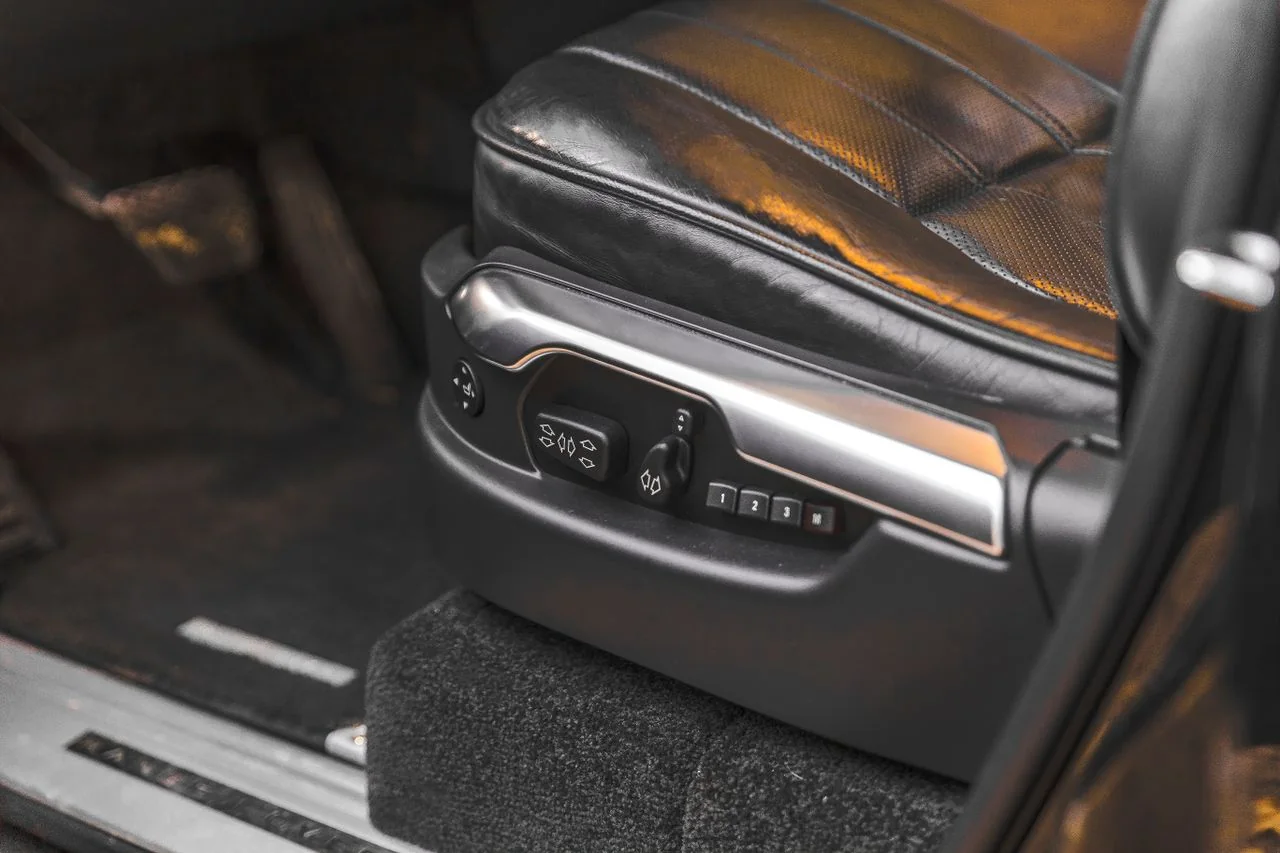
A photograph of a control can help identify the location if it can be taken from an ordinary position. Do not remove trim or place anything near a part that moves. If the seat is in an unusual position because a control is not working, say so in the note. A photograph of the current view can still be useful. Let the technician advise what they need to examine and leave any effort to move a malfunctioning part to the qualified people.
Explain what changes when the seat is used normally
Describe when the area comes into view. A person getting out of the vehicle might see a loose surface next to an outer seam while the seat is approximately in its usual position. A second user may notice a mark higher on the seatback, which looks different when they sit closer to the wheel. Give the provider the sequence you can verify. Note where changes in normal position seem to affect visibility and exactly where you first saw the concern.
If it can be done safely in ordinary use and in compliance with the vehicle instructions, you can show two authorized stationary views. Clear the relevant area and take the additional photo once everything is at rest. Do not intentionally bring the seat into contact with another object or keep investigating an unexpected movement. If a different position is unavailable or requires an unsafe arrangement, describe the situation and leave the next assessment to the technician.
Separate the visible material from the surrounding devices
A seat may have a leather or other cover, stitching, adjacent trim and controls close together. Identify which surface or seam appears worn without guessing what lies behind it. List the relevant neighboring features you can safely see and whether they have changed. Some seats contain components relevant to occupant protection. The manufacturer’s guidance for your model can identify how the seat’s design affects permissible work. Ask a qualified professional whether a proposed repair involves any such feature. Tesla owner documentation on seating and occupant systems filed with NHTSA
The condition of a switch or restraint warning should reach the relevant vehicle professional, with the model and observed behavior. Provide the repair service with the practical distinction between the visible mark it is being asked to assess and the separate operating concern. If a repair involves removing a part or working in an area near safety equipment, ask who is qualified to evaluate the proposed scope. Keep your own role to relaying the current facts and obtaining the appropriate advice.
Include the material history and ordinary care
Share the original upholstery description if it is available, along with any repair or replacement you can verify. A seat may have different materials on adjacent surfaces. If a former owner described a repair, state what came from that source and retain any available records. A technician can decide whether an apparent difference in texture or finish is relevant. If a product was applied to the surface, give the technician the name where you know it. Follow the specific vehicle’s care guidance rather than trying an unapproved treatment in preparation for the assessment.
Ask whether the provider wants to compare a close view with another area of the seat. Tesla’s cleaning guide is a manufacturer example of differentiating interior surfaces and advising care based on material or feature. The model documentation and qualified provider can help establish which advice applies to what you are looking at. If a worn area looks different when another user occupies the seat, describe both ordinary uses without treating that observation as a diagnosis. Tesla Model 3 interior care guidance
Ask what the technician is going to inspect
Tell the repair service the concern you want assessed and the model or movement details it needs for the appointment. Ask what it can establish from the images and which parts need an in-person review. Verify what the proposed scope includes. A consultation about the upholstery near a control may involve a separate discussion if the control or a surrounding panel appears to need work. Give the shop any restrictions you know from the manufacturer or a qualified service contact and ask how it will check the handling requirements. Leather Repair Dallas car seat repair service
If the technician explains that another professional needs to assess the seating mechanism, identify which concern remains pending before treating the work as ready. Keep the outcome of different visits together, with dates and the parts checked. Ask the relevant team how it will describe the work and any follow-up. A clear record can show whether the upholstery appearance changed while a separate adjustment issue is under review.
End with one requested action and a complete reference
If the concern appears between two positions, use a plain account of what you have seen without assuming each position has to be recreated for the repairer. You might say a shallow surface mark is visible when the back is upright and that a separate edge becomes visible when the seat is adjusted by an ordinary user. Ask the technician which surface they want to see and under what conditions. If either position raises a safety or operating question, use the relevant service route before arranging further use.
When a vehicle has multiple regular drivers, the technician may want to know whether the visible wear is in an area each driver uses or sees. Ask them for the approximate ordinary position and record which person's observation you are forwarding. If you are not sure which movement revealed the mark, provide the pictures you already have and say which position is shown. Give the provider a route to ask the person who actually observed it.
Your initial note can identify the exact seat, mark, adjustment and whether the movement is ordinary or has a reported concern. Attach recognizable views and note which position is shown. Date the images so the technician can distinguish current and earlier observations. State what you want the provider to confirm. If a person helping with the car will attend the visit, give them the approved summary and arrangement for a follow-up. Check the explanation against the actual seat before agreeing to work, and retain the assessment with the vehicle records. More sponsored automotive upholstery guides
Visit Leather Repair Dallas.
Sources
- Leather Repair Dallas car seat repair serviceleatherrepairdallas.com
- Tesla Model 3 owner’s manual on front and rear seatstesla.com
- Tesla owner documentation on seating and occupant systems filed with NHTSAstatic.nhtsa.gov
- Tesla Model 3 interior care guidancetesla.com